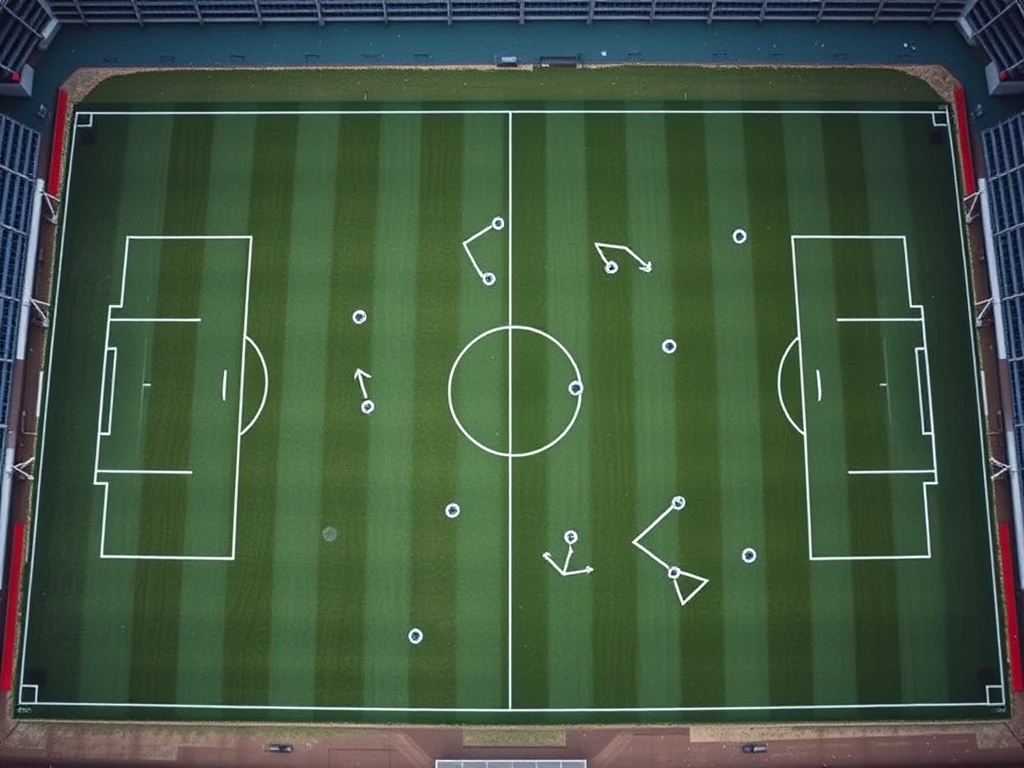

Fine-Tuning Tactics: Woking's Path to Consistency
Woking FC, affectionately known as The Cards, has experienced a mixture of performances in the National League recently. While there have been moments of sheer brilliance, the inconsistency in results suggests that some tactical tweaks could be beneficial. As we delve into the current state of affairs, it becomes clear that addressing specific areas will not only enhance team performance but also help solidify their standing in the league.
One of the most pressing concerns for Woking has been their midfield control. The Cards have displayed moments of creativity and attacking flair, but often lack the necessary cohesion in the middle of the park. The introduction of a more structured midfield formation could help retain possession and dictate the tempo of the game. A shift to a 4-3-3 formation could allow for a more balanced approach, with three central midfielders working to dominate possession while also providing support to both the defense and the attack. This change would enable players like J. Andrews to flourish as a deep-lying playmaker, distributing the ball effectively and linking up with the forwards.
Furthermore, the defensive unit has shown vulnerabilities, particularly when faced with quick counter-attacks. Woking's backline needs to adopt a more proactive stance, ensuring that the transition from attack to defense is seamless. Implementing a high defensive line, paired with disciplined marking and communication, can alleviate some of the pressure on the goalkeeper, W. Jääskeläinen. Additionally, encouraging full-backs to overlap and provide width can stretch opposing defenses, creating gaps that can be exploited by wingers and forwards.
Another area that requires attention is the team's pressing strategy. Woking has shown they can be aggressive off the ball, but this needs to be more coordinated. A more organized pressing approach, where players work in tandem to close down space, can force opponents into making mistakes. Training sessions focused on understanding pressing triggers and how to execute them effectively could yield positive results. By adopting this tactical discipline, Woking can regain possession higher up the pitch, leading to more goal-scoring opportunities.
Moreover, as the season progresses, the importance of squad rotation cannot be overstated. With the physical demands of the National League, introducing fresh legs at strategic moments can maintain intensity and combat fatigue. This approach will also allow younger players, such as Louis Flower, to gain valuable experience while keeping the core team sharp. A rotation policy can be particularly useful in managing the workload of key players, ensuring that they remain fit and available for crucial fixtures against rivals like Aldershot Town.
In conclusion, Woking FC stands at a pivotal moment in their season. By making tactical adjustments-focusing on midfield control, enhancing defensive organization, refining pressing strategies, and implementing effective squad rotation-the team can build a more consistent and resilient side. As The Cards aim for a strong finish in the National League, these tweaks could be the key to unlocking their full potential and securing a place in the playoff spots.